-p-500%20(1).png)
How to Deal with ARS National Services Debt Collection
Need Help Reviewing Your Account?
Contact UsA call from an unfamiliar number, followed by a letter demanding payment on an account you barely remember. It's unsettling, and it's exactly the position many consumers find themselves in when ARS National Services gets involved. This company doesn't originate loans or issue credit cards. It's typically hired by a creditor to collect on a past-due account, which means the name on your letter may look completely unfamiliar even though the debt is real.
This guide walks through a practical plan: verify who's contacting you and what they're claiming you owe, preserve every record, understand your federal rights, choose a resolution path that fits your budget, and respond immediately if you receive court papers.
One note before we start: this article covers general U.S. consumer information. Debt collection laws vary by state and by the type of debt involved. If you've been sued or suspect a collector broke the law, talk to a qualified attorney in your state.
Key Takeaways
- ARS National Services may be a legitimate collector, but verify every account detail before paying anything
- Request written validation, dispute inaccuracies in writing, and never casually admit you owe money
- Ignoring calls won't erase a debt — ignoring a lawsuit summons can cost you a default judgment
- Keep dated records of every call, letter, payment, and agreement from day one
Who Is ARS National Services, and Why Is It Contacting You?
ARS National Services Inc. is a third-party collection agency based in Escondido, California. According to its own BBB business profile, the company holds an A+ rating and has been BBB-accredited since 2011, with 18 complaints closed in the past three years.
A collection agency works accounts on behalf of the original creditor. A debt buyer purchases the account outright and collects for itself. Based on ARS's own public materials, the company works accounts for creditor clients rather than purchasing debt portfolios.
Common account types referred to agencies like ARS include:
- Credit card balances
- Personal loans
- Medical bills
- Retail store accounts
- Other unpaid consumer obligations
The name on your notice may not match the company you originally borrowed from. That's normal. Creditors frequently outsource collection after an account goes unpaid for a certain period. Before doing anything else, compare the notice against your account statements, credit reports, and any personal records you kept.
Is ARS National Services Legitimate or Could This Be a Scam?
A real company's name can still be used by scammers. A legitimate business profile doesn't guarantee that the specific call or letter you received is genuine.
Watch for these red flags:
- Threats of arrest or jail time over unpaid debt
- Demands for payment via gift cards or cryptocurrency
- Refusal to send anything in writing
- Pressure to pay "right now" before you can verify anything
- Claims that a lawsuit already exists, with no verifiable court documents
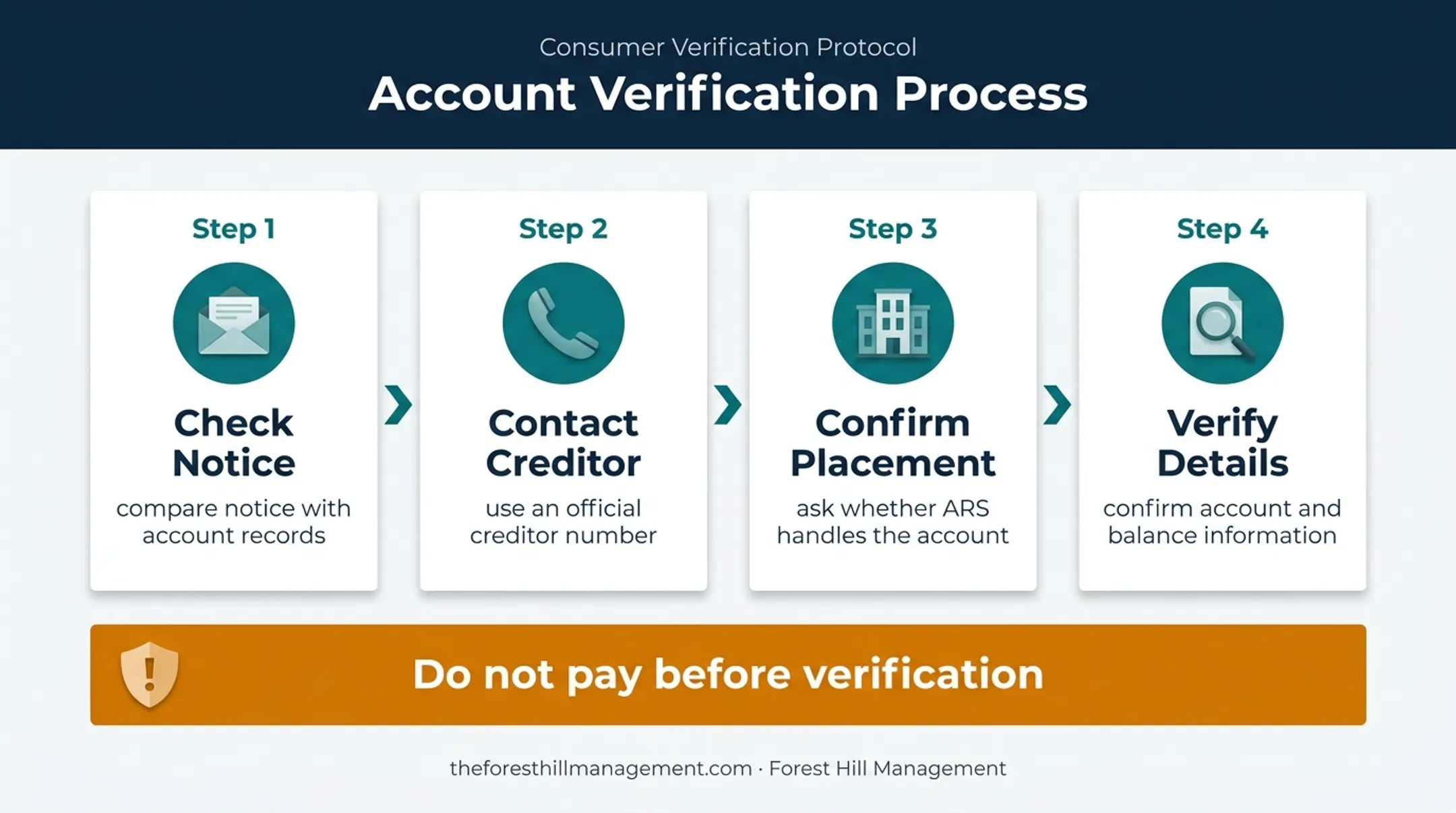
Don't rely on a phone number the caller gives you. Contact your original creditor directly using the number on an old statement or the creditor's official website. Ask whether they placed or sold your account with ARS.
What to Do When ARS National Services Contacts You
Take a breath before you do anything else. Don't make a payment or confirm anything about the debt until you verify who is calling, what account ARS is referencing, and whether the amount matches your own records.
Request written validation. Federal rules give collectors a short window (generally within five days of initial contact) to send validation information. Review it for:
- Your name and the amount claimed
- The original creditor's name
- The current owner or collector of the account
- An itemized balance showing interest, fees, and payments
- Instructions for disputing the debt
If you believe the debt is wrong or doesn't belong to you, submit a dispute in writing. Under Regulation F's validation notice requirements, a written dispute sent within 30 days of receiving the notice requires the collector to pause collection on the disputed amount until it responds.
Disputing after that window is still possible, but it won't automatically trigger that pause.
Build a paper trail from the start. Keep:
- Letters and their envelopes
- Caller ID logs and voicemails
- Texts and emails
- Credit report entries related to the account
- Payment confirmations
- A dated call log with names and what was said
Never hand over your Social Security number, bank account details, employer information, or one-time verification codes to a caller you haven't independently confirmed.
These three actions are not interchangeable:
Pull all three of your credit reports and scan for unfamiliar or inaccurate entries. File disputes with the relevant credit bureau and, where applicable, the furnisher that reported the information.
Your Rights and How to Document Potential Collection Violations
The Fair Debt Collection Practices Act (FDCPA) is the federal law governing most third-party collectors, though coverage and additional protections can vary depending on the debt type and your state.
Collectors generally cannot:
- Harass you or use abusive language
- Deceive you about the amount or legal status of a debt
- Threaten legal action they can't or don't intend to take
- Impersonate law enforcement or attorneys
- Disclose your debt to third parties without proper authorization
- Collect fees or interest not permitted under your agreement or state law
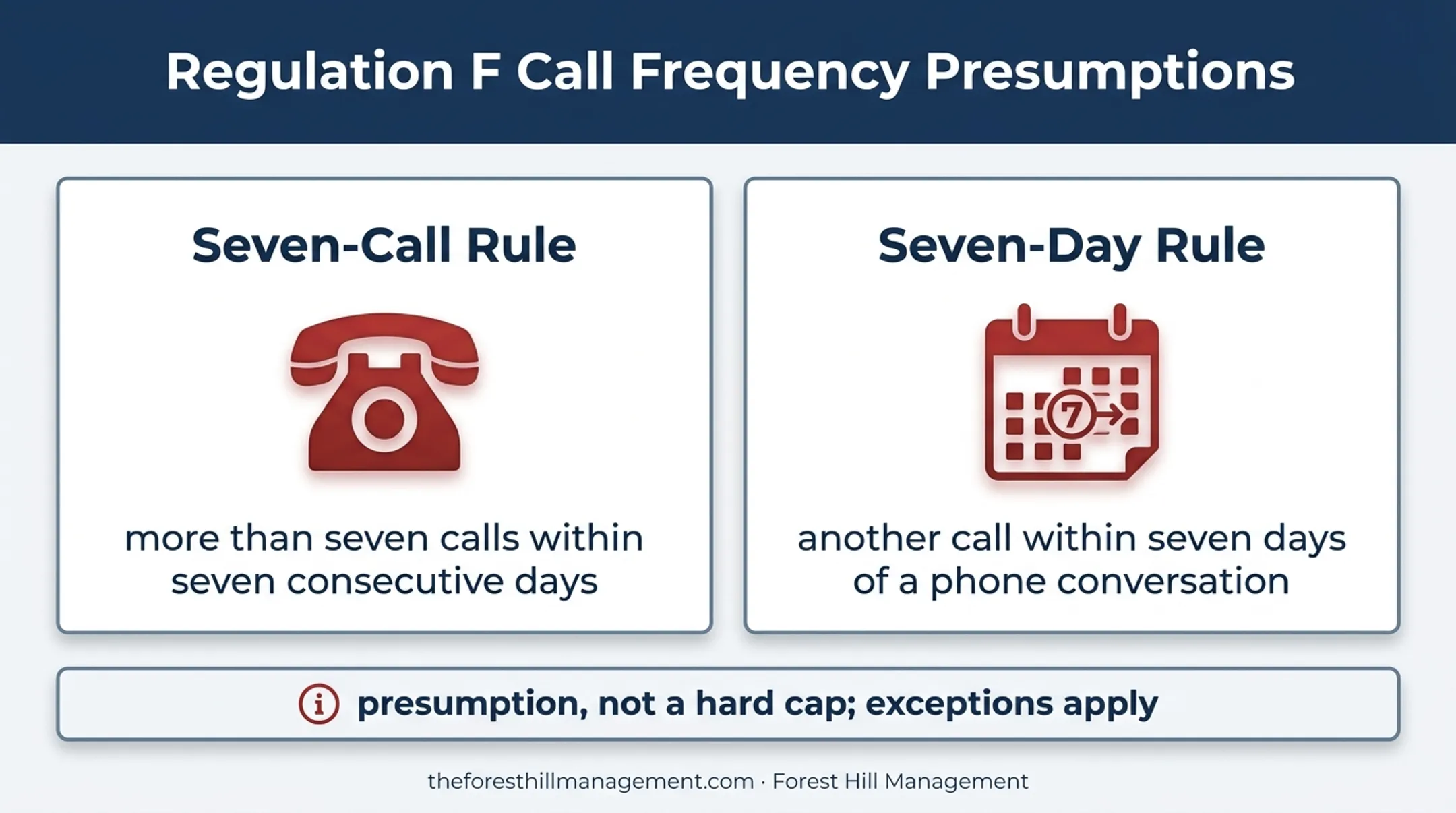
Call frequency matters, too. Under Regulation F's harassment provisions, a collector is presumed to violate the rules if they call about a specific debt more than seven times within seven consecutive days. The same presumption applies if they call again within seven days of a phone conversation about that debt. This is a presumption, not a hard cap, and exceptions apply.
A written request to stop communications can limit future contact, but it doesn't erase the debt, block legally required notices, or stop a different creditor or law firm from reaching out about the same account.
To build a solid evidence file:
- Save original letters and envelopes, not just photos
- Screenshot texts and emails as they arrive
- Record calls only where your state's consent laws allow it
- Keep delivery confirmations for anything you mail
- Pull dated copies of your credit reports showing the disputed entry
If you suspect a violation, you have several options:
- Contact the collector directly
- Reach out to the original creditor
- File a complaint with the CFPB or FTC
- Notify your state regulator
- Consult a consumer-protection attorney
Filing a complaint doesn't cancel the underlying debt. An attorney can help you understand what remedies, damages, or deadlines might apply to your situation.
Ways to Resolve a Valid ARS Debt
Once you've confirmed the debt is accurate, the right next step depends on a few factors: whether the amount is correct, whether it's still legally collectible, whether it's already on your credit report, and whether you can actually afford to pay it.
Verify Before Paying
Compare the validation materials against your own records:
- Original account statements
- Who currently owns the account
- How the balance was calculated
- Date of first delinquency
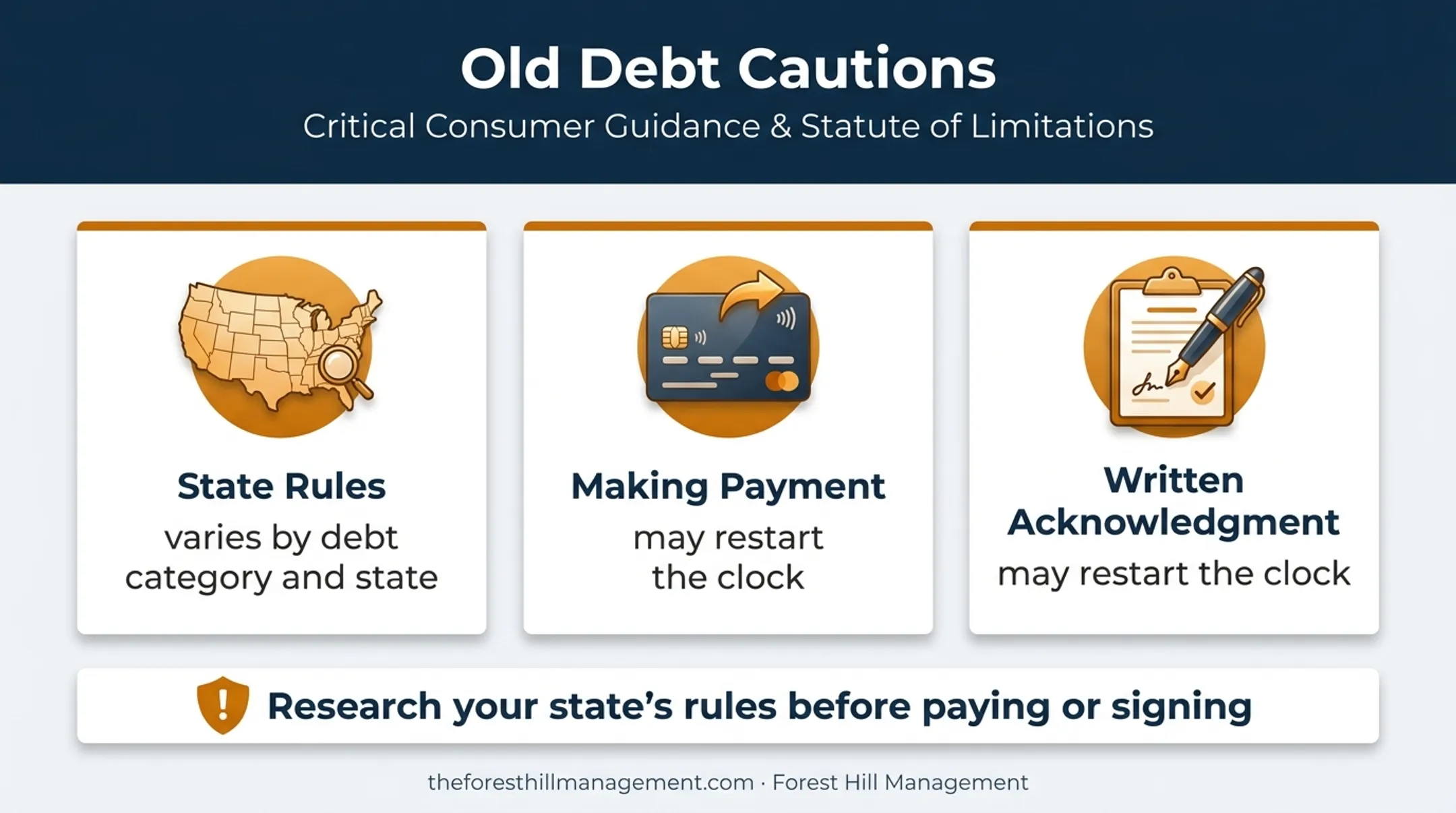
Old debts deserve extra caution. Every state has a statute of limitations that varies by debt category, and in some states, making a payment or even acknowledging the debt in writing can restart that clock. Research your state's rules before paying or signing anything on an older account.
Negotiate a Settlement or Payment Arrangement
Collectors sometimes accept a reduced lump-sum payoff or a structured payment plan, but they're not obligated to. Before agreeing to anything, be honest with yourself about affordability. Don't sacrifice rent, groceries, or utilities to make a settlement payment.
Get any agreement in writing before you pay a dime, including:
- The exact settlement amount
- Due dates for each payment
- Whether the payment resolves the full balance
- How remaining interest or fees are treated
- How the account will be reported to credit bureaus, if addressed
Settled debt can carry tax implications. The IRS generally requires a Form 1099-C when $600 or more of debt is canceled, though exceptions like insolvency may apply. A tax professional can walk you through your specific situation.
Debt settlement can affect your credit score, may involve fees, and typically does not stop a collector from suing while negotiations continue, unless your written agreement says otherwise.
Get Financial-Management Support
If you're juggling multiple past-due accounts and aren't sure where to start, Forest Hill Management works with consumers to organize past-due obligations and map out practical next steps. Forest Hill Management is a portfolio management company, not ARS National Services, and not a law firm or substitute for legal advice.
If you'd like help thinking through your options, Forest Hill Management can be reached at (855) 213-6942.
Before enrolling with any financial-services provider, compare:
- Fees and contract terms
- Privacy and data-handling practices
- Cancellation policies
- Any claimed outcomes
Be skeptical of anyone who guarantees your debt will simply disappear. No legitimate provider can promise that.
Bankruptcy, Nonprofit Counseling, or Legal Advice
For consumers facing multiple debts or serious financial hardship, nonprofit credit counseling, a consultation with a bankruptcy attorney, or general legal advice may be worth exploring. The right option depends on your total debt, income stability, and whether legal action has already started.
What to Do If ARS National Services or Another Party Sues You
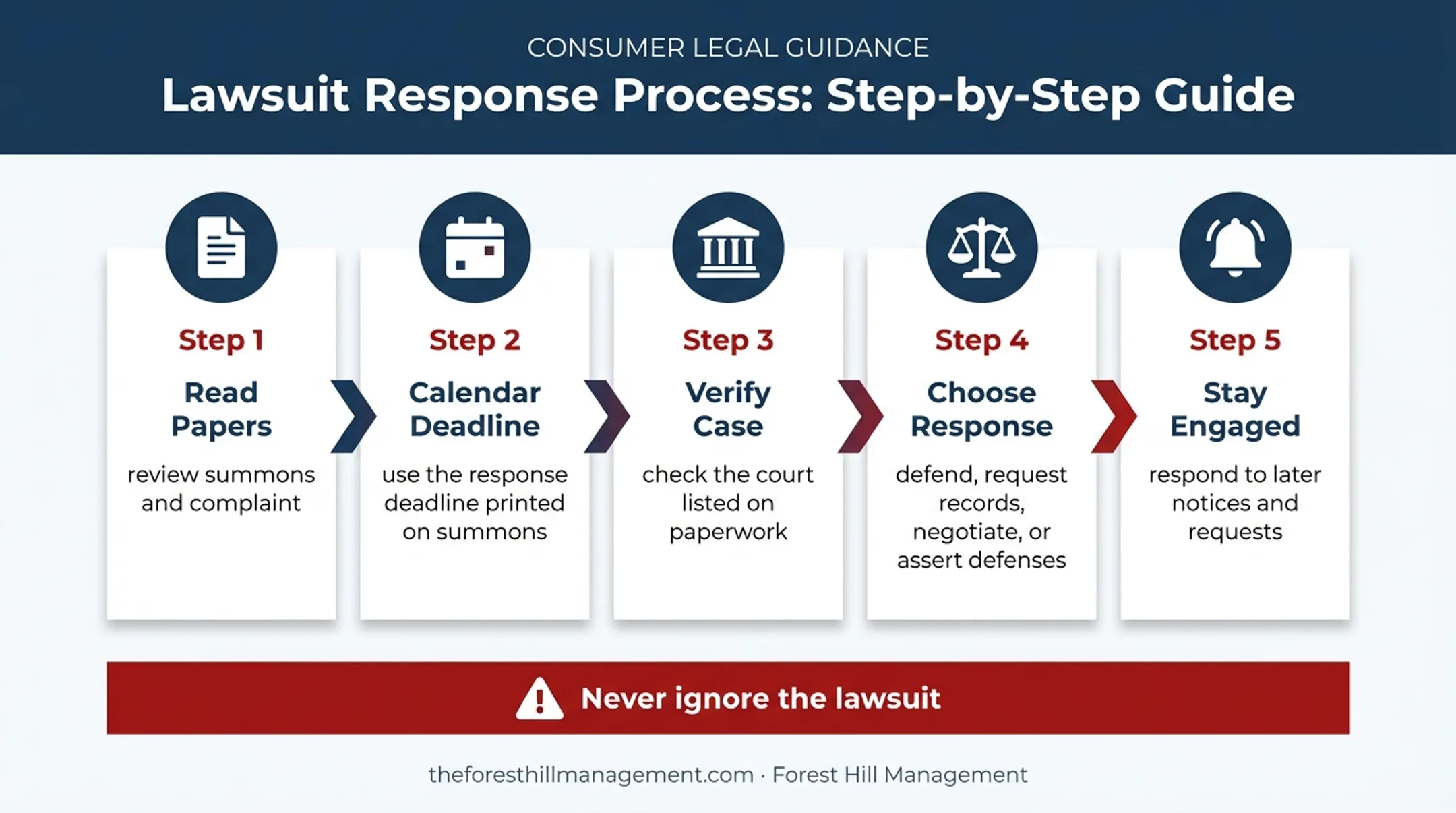
A collection call from ARS National Services is not the same as a formal lawsuit. A summons and complaint are court documents, and you can verify their authenticity through the court listed on the paperwork itself.
Don't confuse a debt validation dispute period with the deadline to respond to a lawsuit. The response deadline printed on your summons governs your court response and follows your state's specific court rules.
If you ignore a lawsuit, a court can enter a default judgment against you, opening the door to collection remedies allowed under your state's law. What follows a judgment varies by state, so don't assume automatic wage garnishment without checking your local rules.
When you receive court papers, review carefully:
- The plaintiff named in the case
- The account and balance alleged
- Proof of how you were served
- The court name and case number
- Your response deadline
Possible responses include:
- Defending the claim on its merits
- Requesting documentation supporting the debt
- Negotiating a resolution before trial
- Asserting defenses available under your state's law
Common defenses include identity theft, an inaccurate balance, lack of standing, improper service, or an expired statute of limitations. Because these depend heavily on your state's laws, seek qualified legal help or your local court's self-help resources right away. Once you've responded, stay engaged—never ignore later hearing notices, discovery requests, or settlement paperwork.
Frequently Asked Questions
Is ARS a real debt collector?
Yes. ARS National Services Inc. appears to be a legitimate, BBB-accredited third-party collector. Still, always verify the specific account, balance, and original creditor named in your notice before paying anything.
Why does ARS keep calling me?
Repeated calls usually mean an alleged past-due account was referred for collection. Review any written notice, document each contact, and check whether call frequency and tone comply with the FDCPA.
Can I ignore a debt collection agency?
No. Ignoring calls won't make a debt disappear and can raise the risk of further action, including a lawsuit. Don't pay or admit you owe anything until you've verified the claim in writing.
What is A&R debt collection?
"A&R" may be a different company or a mistaken name for ARS. Confirm the exact legal entity, contact information, and account details on your written notice before assuming any connection.
How do I dispute a debt with ARS National Services?
Follow the instructions in your validation notice and send a clear written dispute within 30 days. Keep proof of delivery, and remember a dispute does not replace a required court response if you're sued.
What should I do if ARS National Services sends me a lawsuit?
Read the summons carefully, calendar your response deadline immediately, and verify the case with the court listed on the documents. Preserve all records and seek qualified legal help or court self-help resources right away.